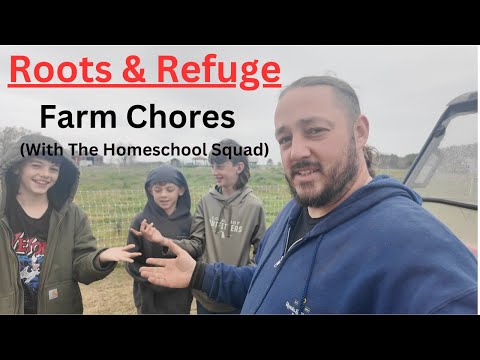
Farm Chores and Homeschool Learning: The Real Classroom
Farm chores are one of the best classrooms homeschoolers can access. Kids learn math, science, responsibility, and work ethic by doing actual work. Roots and Refuge Farm demonstrates this perfectly. Real tasks like feeding animals, gardening, and maintaining equipment teach lessons no textbook can replicate. This is hands-on homestead education at its finest.
Why Farm Chores Matter for Homeschooled Children
Homeschooling doesn't mean learning only happens indoors. Farm chores bridge the gap between theory and real-world application. When your child fills a chicken waterer and feeder combo, they're learning about animal nutrition and responsibility simultaneously.
Chores teach time management. Morning feeding happens before school starts. Evening duties happen regardless of homework stress. Kids learn that responsibility isn't optional. They understand consequences when animals go hungry or water runs dry.
Farm work builds confidence. A child who successfully tends to animals, harvests vegetables, or maintains equipment knows they can accomplish something meaningful. This confidence transfers to academic work and life goals.
Money management lessons emerge naturally. Homeschooled kids can sell eggs, vegetables, or flowers from their homestead projects. They experience real income and real expenses.
Practical Farm Skills Homeschoolers Should Learn
Start with animal care. Feeding and watering chickens, goats, or other livestock teaches responsibility daily. Kids learn animal behavior, nutrition, and health basics. A well-organized chicken waterer and feeder combo makes tasks efficient and teaches proper system use.
Garden work is essential. Planting, weeding, and harvesting connect kids to food production. Teaching them to save seeds from successful plants introduces heirloom varieties. A heirloom seed vault non-GMO lets kids explore plant genetics and food preservation. They learn which plants produce reliable seeds and how to store them properly.
Tool use and maintenance are critical skills. Kids should learn proper handling of a heavy-duty garden tool set. This teaches safety, care for equipment, and problem-solving when tools need repair.
Food preservation rounds out the education. Canning, drying, and storing harvest teaches chemistry and planning. A Ball mason jar canning kit enables safe food preservation projects. Kids learn food safety, follow precise instructions, and create products they can share or sell.
Composting and soil management teach environmental science. Kids see how waste becomes valuable resource. They understand nutrient cycles and soil health.
Building a Farm Chore Schedule for Homeschoolers
Structure matters. Create a chore schedule that fits your homeschool routine. Morning chores might include feeding animals and watering plants. Afternoon chores could involve harvesting or tool maintenance. Evening chores typically include closing animal enclosures and final water checks.
Rotate responsibilities. Don't let one child handle everything. Rotation ensures every child learns all skills. It prevents burnout and teaches kids to value different tasks.
Document the work. Have kids keep a farm journal. They record what they did, what they observed, and problems they solved. This journal becomes both educational record and reflection tool.
Connect chores to academics. Math happens when calculating animal feed ratios. Science appears in composting and seed saving. Writing skills develop through farm journaling. Reading becomes relevant when researching plant diseases or animal care.
If you're looking to expand your homesteading operation and need professional guidance on building infrastructure, check out local service professionals near you who specialize in farm construction and maintenance.
The Long-Term Value of Farm Education
Homeschoolers who complete farm chores develop life skills that matter. They understand food production firsthand. They've learned work ethic through repetition and consequence. They can troubleshoot problems independently.
These skills serve them whether they pursue farming long-term or choose other paths. The resilience, problem-solving ability, and practical knowledge become assets in any career.
Farm chores transform homeschooling from classroom work into lived learning. Every animal fed, every seed planted, and every harvest gathered teaches lessons that stick. This is the power of homestead education.